Short answer
- On-grid is the cheapest per kW and the best choice if most of your power is used in daylight, but it switches off during load-shedding.
- Hybrid adds a battery. Under net billing it pays for itself by storing daytime units for the evening, and it keeps lights, fans and the fridge running when the grid goes.
- Off-grid has no grid link at all. It only makes sense where there is no connection, or the supply is so poor that the grid is almost useless.
- The deciding questions are when you use power, how bad outages are on your feeder, and whether your connection qualifies for net billing.
For most Lahore homes that run ACs in the evening, a hybrid system is now the better long-term buy. For factories working day shifts, on-grid still gives the fastest return. Net billing is the reason, and the rest of this guide shows how to decide for your own building.
The three systems in plain words
On-grid (grid-tied)
Panels feed a grid-tied inverter, which feeds your house. If the panels make more than the house needs, the extra goes to the grid. At night, or on a cloudy day, the grid supplies you as normal. There is no battery, so this is the cheapest system per kW and the simplest to maintain.
The catch: when LESCO cuts the supply, an on-grid inverter shuts down too, even at noon in full sun. This is a safety feature, not a fault. More on that below.
Hybrid (grid plus battery)
A hybrid inverter does three jobs. It runs the house from the panels, charges a battery with the surplus, and stays connected to the grid. (Not every unit sold as “hybrid” can do this; our hybrid inverter buying guide shows how to tell.) When the grid fails, it disconnects from the grid and keeps your backup circuits running from the panels and battery. It can be net billed like an on-grid system, or set to “zero export” so nothing goes to the grid at all.
Off-grid (stand-alone)
Panels, an off-grid inverter and a battery bank, with no connection to the DISCO. Everything you use at night must come from the battery, and in December and January fog across Punjab it may not refill for days. Off-grid systems therefore need a much bigger battery, more panels, or a generator as backup.
Side-by-side comparison
| Point | On-grid | Hybrid | Off-grid |
|---|---|---|---|
| Battery | None | Yes, sized for evening use or backup | Yes, large (must cover every night) |
| Works during load-shedding | No | Yes, on backup circuits | Yes (no grid to lose) |
| Can apply for net billing | Yes | Yes, or run zero-export | No |
| Upfront cost | Lowest | Higher (battery and hybrid inverter) | Highest for the same comfort |
| Parts that wear out | Inverter after many years | Battery, then inverter | Battery bank, generator if fitted |
| Best for | Daytime loads, little load-shedding | Evening ACs, frequent outages | No grid, remote sites, some farms |
Why net billing changed the answer
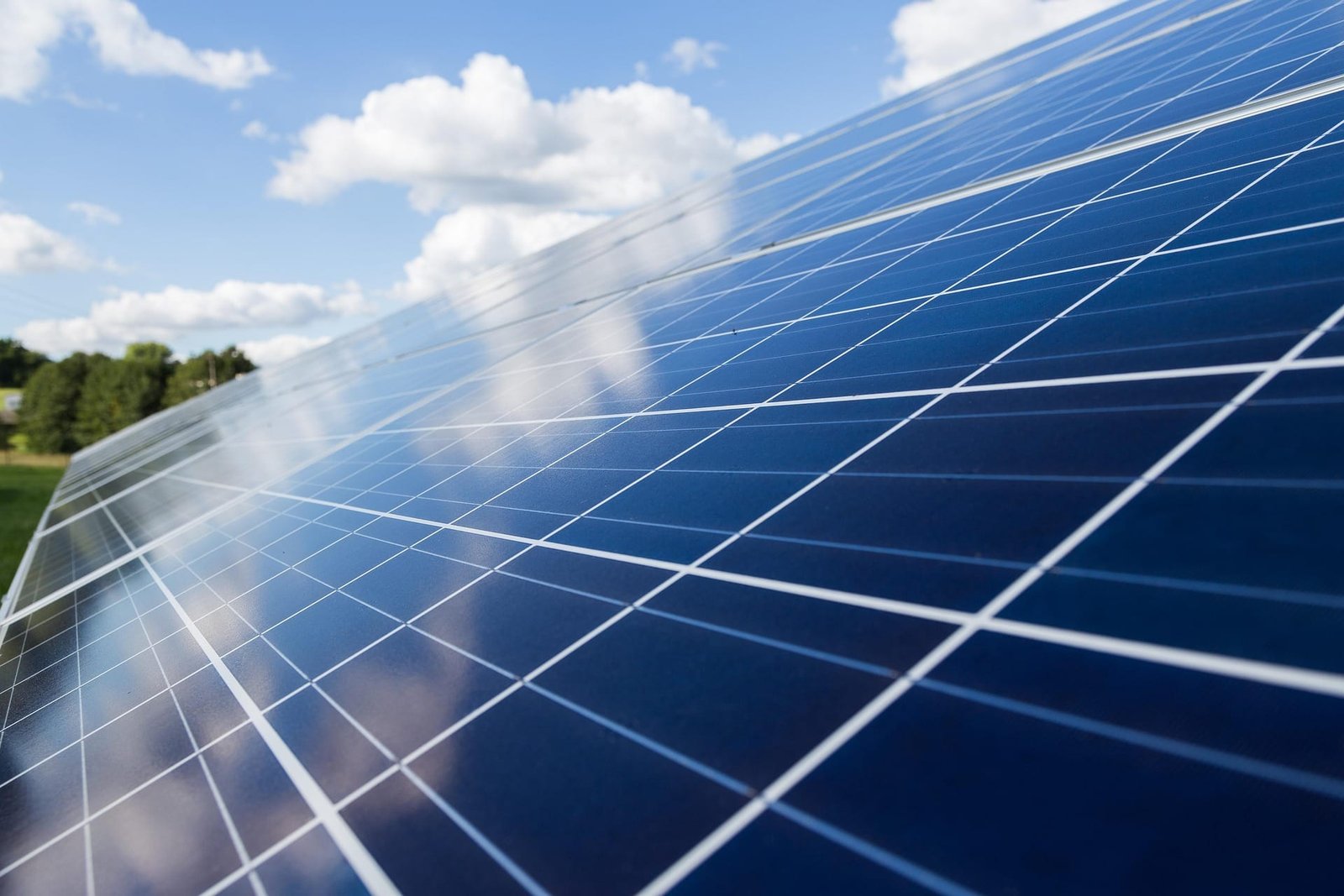
Under the old net metering rules, every exported unit cancelled an imported one. The grid acted as a free battery, so a real one rarely made sense.
The NEPRA (Prosumer) Regulations 2026 replaced that for new connections from 9 February 2026. Exports are now credited at the national average energy purchase price, which Dunya News reported as Rs8.13 per unit, while every imported unit is charged at your normal tariff of roughly Rs37 to Rs55 before taxes. We explain the full rules in our guide to net billing in Pakistan in 2026.
What this means in practice: a unit you export earns about Rs8, but the same unit stored in a battery and used at 9pm saves you Rs37 to Rs55. That gap is what makes a battery worth paying for now.
Two more rules matter when you pick a system. The regulations define an applicant as a three-phase 400V or 11kV consumer, so a house on a single-phase connection must convert first. And a DISCO cannot accept new solar on a distribution transformer once solar on it reaches 80% of its rating. In crowded solar areas of Lahore that limit is already being hit. In both cases, a hybrid system set to zero export lets you use solar without waiting for approval. If you are in LESCO’s area, our LESCO net billing application guide covers the paperwork step by step.
Does the battery pay for itself?
It depends on how often you cycle it. Here is a simple worked example. The numbers are illustrative, not a quote.
In September 2026, ProPakistani reported Lahore market prices falling to about Rs230,000 for a “5kW” lithium battery and Rs650,000 for a “16kW” one (shops quote battery size this way; it means roughly 5 kWh and 16 kWh of storage). Take the 5 kWh battery. With about 4.5 kWh usable and around 10% lost in charging and discharging:
| Step | Figure |
|---|---|
| Each kWh stored instead of exported: export credit you give up | Rs8.13 |
| Import it replaces at night (0.9 kWh at Rs45) | Rs40.50 |
| Net gain per kWh stored | About Rs32 |
| Gain per day (4.5 kWh) | About Rs146 |
| Gain per year (300 full cycles, allowing for winter and cloudy days) | About Rs43,700 |
| Simple payback on a Rs230,000 battery | About 5 years |
The test is simple: if the payback is shorter than the battery’s warranty, the battery earns money. If it is longer, it is mainly paying for backup. Check the warranty and cycle rating on the datasheet. A battery that sits full all day because your evening use is small will not pay back at all. We compare chemistries in lithium-ion vs lead-acid batteries for solar; for daily cycling, lithium wins.
Not sure if a battery pays for your house?
WhatsApp us a photo of your last 12 months of bills. We will look at your sanctioned load, connection type and usage and tell you plainly whether on-grid or hybrid suits you.
What happens during load-shedding
NEPRA’s regulations require grid-connected inverters to meet UL 1741 and to have automatic means that stop them feeding a dead line. When the grid fails, the inverter must stop exporting so a lineman working on a “switched-off” feeder is not electrocuted by your rooftop. An on-grid inverter has no battery to fall back on, so the house goes dark.
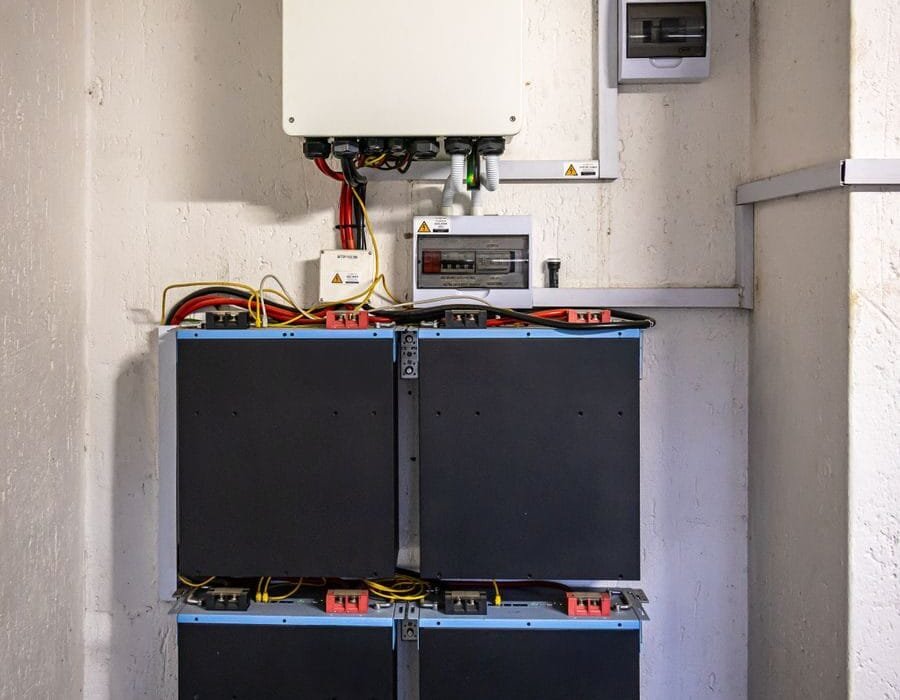
A hybrid inverter also cuts itself off from the grid, but it then powers a separate backup output from the panels and battery. The switch usually takes a fraction of a second, similar to a UPS. Two limits apply:
- Only the backup circuits run. Most homes put lights, fans, the fridge, Wi-Fi, the water pump and perhaps one inverter AC on backup. Running every AC from a battery needs a far bigger system.
- The battery is finite. 4.5 kWh of usable storage runs one 1.5-ton inverter AC for roughly three to five hours (see the FAQ).
How much this matters depends on your feeder. In April 2026, Dawn reported forced load-shedding of up to eight hours in urban areas and 12 to 16 hours in rural areas across LESCO and other Punjab regions during a gas shortage, though LESCO disputed the eight-hour figure. If your area sees cuts like that, a hybrid system is worth it for backup alone.
Which one to choose: homes, factories, farms
1. Homes with evening ACs: hybrid
A typical Lahore family uses its heaviest load after sunset. On-grid exports the afternoon surplus at Rs8 and buys it back at night at Rs37 or more. A hybrid system with a battery sized to your evening use keeps that value in the house and covers outages too.
2. Homes that are busy in daytime: on-grid, battery-ready
If someone is home all day running the pump, washing machine and a daytime AC, most solar output is used directly and on-grid does the job. If you think you may want a battery in two or three years, buy a hybrid inverter now and add the battery later. Fitting a battery to an on-grid inverter afterwards means extra equipment and cost. Our solar system price guide for 2026 shows what on-grid and hybrid systems cost at each size.
3. Factories on day shifts: on-grid, sized to the daytime load
Our guide to solar for factories in Punjab covers sizing, industrial tariffs and NEPRA’s rules in detail. Motors, compressors and lighting running 9am to 5pm match solar output well, so on-grid gives the quickest return. Size the array to the daytime load, stay within your sanctioned load (regulation 3(2) caps the system at it), and remember systems of 250 kW and above need a load-flow study. Where a process cannot tolerate a trip, put only that line on a hybrid inverter or UPS rather than battery-backing the whole factory.
4. Farms and remote sites: off-grid, often without a battery
A tubewell is the classic off-grid case, and it usually needs no battery: a solar pump drive runs the motor directly while the sun is up, and the water is the storage. Our guide to the Punjab solar tubewell scheme covers this. For a remote farmhouse or a hill cottage with no reliable connection, off-grid with a generator for foggy weeks is the honest design.
Common mistakes we see
- Oversizing an on-grid system to “zero the bill”. Under net billing, extra panels mostly export at Rs8. Size for daytime use instead.
- Buying a hybrid with a tiny battery and expecting all-night AC. Size the battery to the loads you actually want on backup and for how many hours.
- Running an on-grid inverter with a generator without checking. An on-grid inverter can push power back into a generator. Many hybrid inverters have a proper generator input; check the model before you wire one in.
- Ignoring the connection. On a single-phase connection, or a transformer already at its solar limit, plan for zero export or a three-phase conversion before you buy.
Frequently asked questions
Does an on-grid solar system work during load-shedding?
No. Grid-connected inverters must stop feeding power when the grid fails, so linemen are not put at risk. With no battery to fall back on, an on-grid system shuts down until the supply returns, even in full sun.
Can a hybrid solar system get net billing?
Yes, as long as the inverter meets the grid standards your DISCO requires and your connection qualifies (three-phase, within your sanctioned load, and space left on the transformer). It can also run in zero-export mode if you choose not to apply.
Can I add batteries to my on-grid system later?
It is possible but costly, because a standard on-grid inverter cannot charge a battery. You need an extra battery inverter or a replacement hybrid inverter. If you expect to want batteries soon, buy a hybrid inverter from the start.
Is off-grid solar cheaper than paying electricity bills in a city?
Usually not. An off-grid system needs a battery large enough to cover every night and several foggy winter days, which costs far more than a hybrid system that uses the grid as backup. Off-grid suits places without a reliable connection.
How long will a 5 kWh battery run my AC?
A 1.5-ton inverter AC typically draws 0.8 to 1.5 kW once it settles, so about 4.5 kWh of usable storage runs one AC for roughly three to five hours with nothing else on. Fans, lights and a fridge last far longer.
Get the right system for your building
PEMCO Engineering designs on-grid, hybrid and off-grid systems for homes, commercial buildings and factories across Punjab, with net billing application support. See our solar system installation service, or our local pages for solar installation in Lahore and solar installation in Islamabad. Free site survey in Lahore and nearby areas, and video consultation anywhere in Punjab. Call or WhatsApp 0322 4773987, or use the contact form for a free consultation.
Written by the PEMCO Engineering Team. Rules, rates and prices checked against NEPRA’s Prosumer Regulations 2026 and news reports on 22 November 2026. Battery prices are market reports, not PEMCO quotes. This is general information; confirm current terms with your DISCO before you apply.