Short answer: for almost every Pakistani home in 2026, buy monocrystalline panels. They are more efficient, cope better with heat, need less roof space, and are now what nearly every supplier sells. Polycrystalline panels are cheaper per watt on paper but are hard to find new. The rest of this guide explains why, and what to check before you buy.
The Crystal Structure
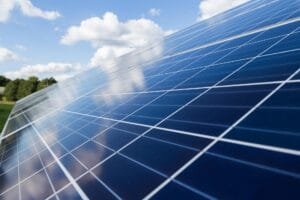
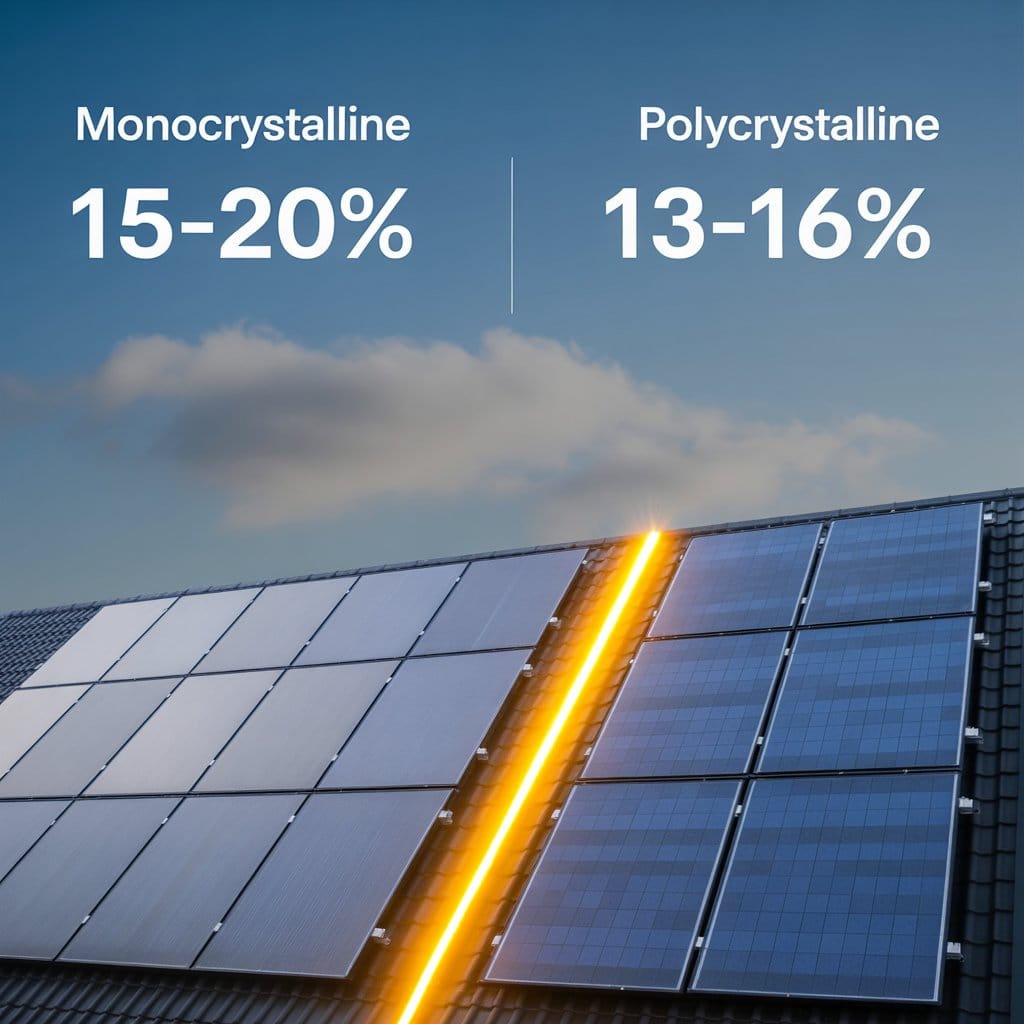
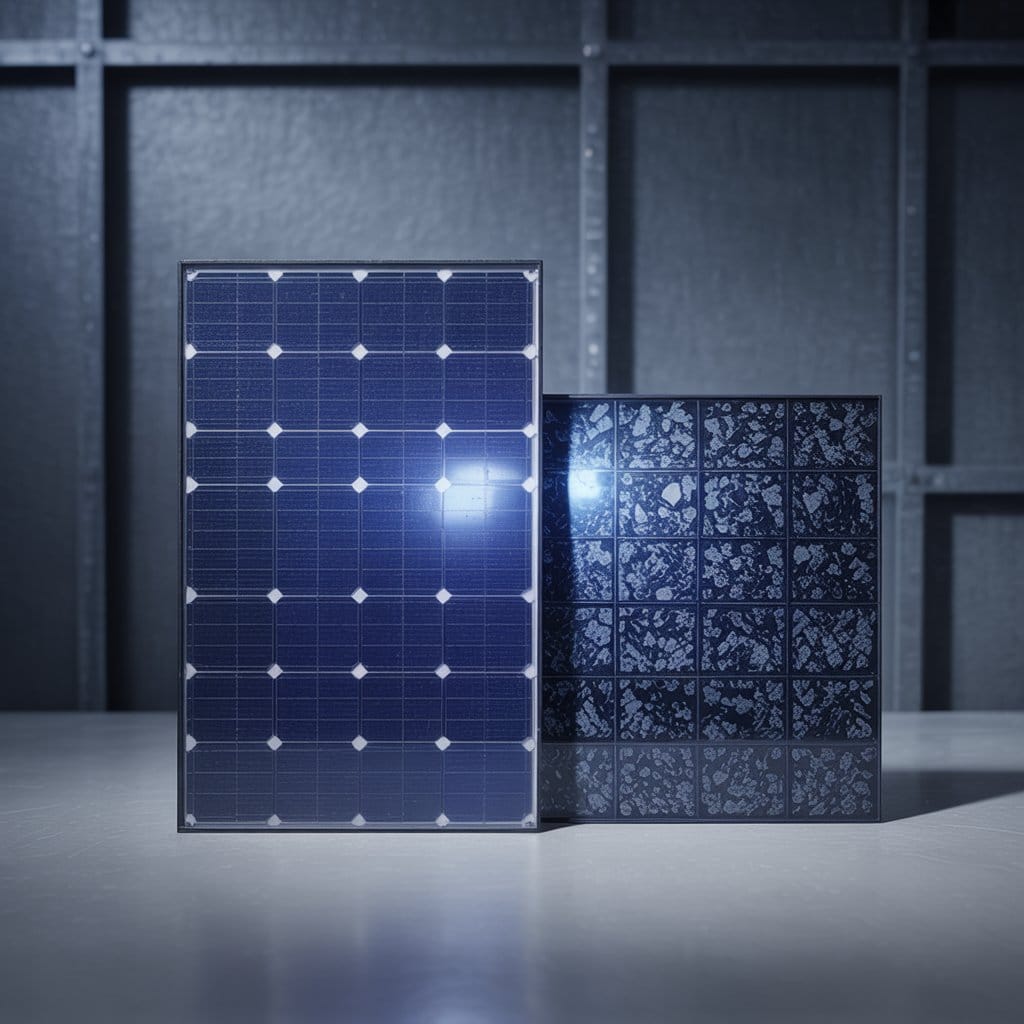
Monocrystalline panels are cut from a single silicon crystal; polycrystalline panels are made from many melted-together fragments. That is why mono panels look uniformly black and poly panels have a speckled blue look. The single crystal lets electricity flow with fewer losses, which is where mono’s efficiency advantage comes from.
Efficiency under the Scorching Sun
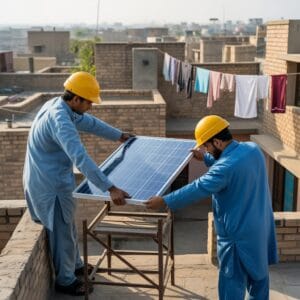
Monocrystalline panels convert about 21-23% of sunlight into electricity, against about 15-18% for polycrystalline, and they usually lose less output in heat. On a Pakistani rooftop in June, panel cells run far hotter than the air, so a lower heat loss matters every summer afternoon. Higher efficiency also means fewer panels for the same power, which counts on a 5 or 7 marla roof crowded with water tanks and a stair room.
Dust Affects Solar Performance
Dust affects both types equally, because both sit under the same tempered glass. What matters is regular washing with plain water and a soft brush, early in the morning or in the evening, and a tilt steep enough for rain to rinse the glass.
Durability and Longevity
Both panel types last 25-30 years, but monocrystalline panels tend to degrade more slowly in hot climates. Check the manufacturer’s performance warranty, which states how much output the panel should still give after 25 or 30 years, and keep the invoice and serial numbers.
The Price Equation
Polycrystalline panels have traditionally been about 10-15% cheaper per watt, but that gap rarely helps in practice. Because poly panels need more roof space for the same output, you may need more structure, cabling and labour, and on a small roof you simply cannot fit the system size you need. Panel prices in Pakistan change week to week, so compare written quotes on the same date.
What Replaced PERC: N-Type Panels
Most panels sold in Pakistan today are monocrystalline N-type panels, using TOPCon or back-contact (BC) cells, which have largely replaced the older P-type PERC design. Jinko’s Tiger Neo range is an example of TOPCon, and LONGi’s Hi-MO 9 uses back-contact cells. N-type cells generally lose less output to heat and light-induced degradation, which suits Pakistani summers. When you compare quotes, ask for the exact model number and datasheet, not just the brand and wattage.
Better Choice for Pakistani House
For most homes, monocrystalline is the practical choice: polycrystalline panels are now hard to find new in Pakistan, as most suppliers have moved to monocrystalline. Consulting a qualified solar installer who understands your load and roof is still the best way to decide. The panel is only one part of the system: the choice between on-grid, hybrid and off-grid solar under net billing usually matters more to your savings.
For city-specific advice, see our pages on solar installation in Lahore (dust, winter smog, LESCO net billing and DHA rules), solar installation in Islamabad (hail and winter output) and solar installation in Rawalpindi (small roofs and load-shedding), or our main solar system installation service.
FAQ
Is monocrystalline or polycrystalline better for Pakistan’s heat?
Monocrystalline. It is more efficient (about 21-23% against 15-18%) and usually loses less output at high temperatures, and N-type monocrystalline panels do better still in heat.
Can I still buy polycrystalline panels in Pakistan?
Rarely new. Most suppliers now sell only monocrystalline panels. If someone offers cheap poly panels, check whether they are old stock or used panels before you buy.
How many panels do I need for a 10 kW system?
With modern 580-620 W monocrystalline panels, about 16-18 panels, needing roughly 50-60 square metres of unshaded roof including walkways.
Not sure which panel or system size suits your roof? Call or WhatsApp PEMCO Engineering on 0322 4773987 with a photo of your electricity bill and roof, and our engineers will advise on a video call.